 ALO PLOMBIER
A drain that empties slowly, a shower that fills with water while the washing machine runs or water backing up in the bath are signs not to ignore.
These symptoms can point to a blockage in a trap, in a secondary drain pipe or in a shared drain further along in the home. The aim is not only to clear the standing water: you need to find the origin of the problem so that the unblocking is suited to it and the risk of recurrence is limited.
1. Which fixtures can become blocked?
The kitchen sink
The sink is particularly exposed: cooking fat cools and solidifies in the pipes, food scraps build up in the trap, and soap and washing-up liquid deposits add to the other residues.
Symptoms: water drains slowly, rises in the sink, gurgles or gives off bad smells.
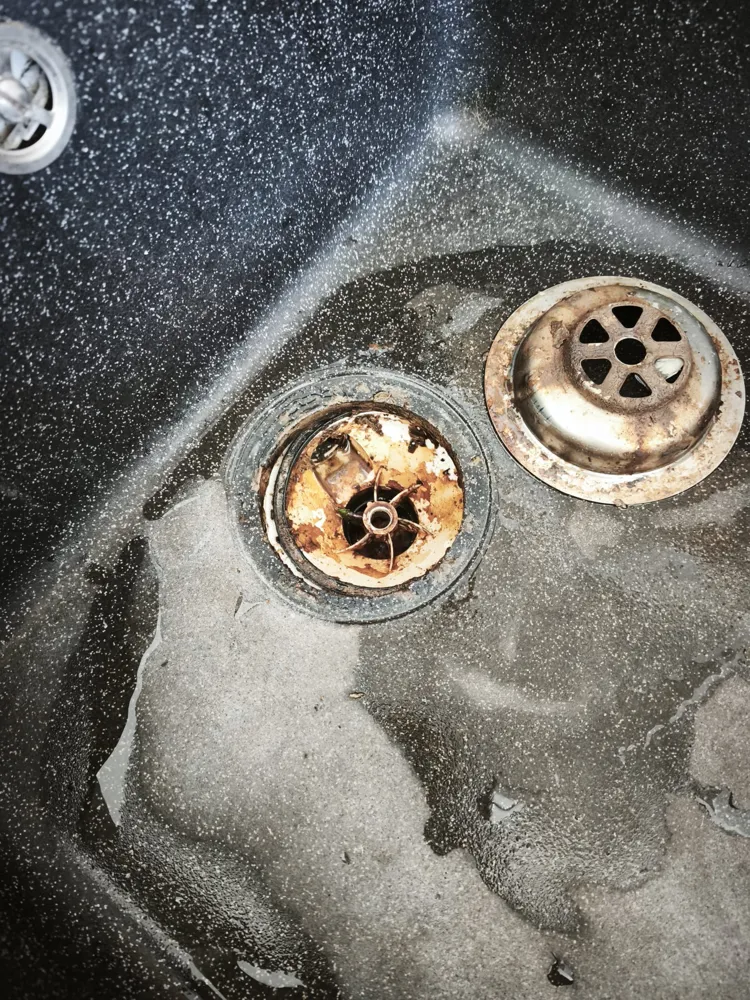
The bathroom basin and washbasin
Hair, soap and residue from hygiene products gradually form clumps in the plughole and the trap. A scaled-up pipe, insufficient slope or a blockage further along can also be to blame. Symptoms: water stagnates in the basin, drains with difficulty or smells come up from the plughole.
The bath
Hair and soap residue build up at the plughole and the trap, but the blockage may also be in the connected drain pipe. Symptoms: water stays at the bottom of the bath, drains very slowly or backs up when other appliances discharge water.
The shower and shower tray
A tray that fills up during use often signals a partially or fully obstructed drain: hair, soap, shampoo, limescale, a clogged or hard-to-reach trap, a downstream blockage, a deformed pipe or an unsuitable slope.
2. Why does water back up in the shower when the washing machine runs?
This is one of the most telling signs of a blockage. A washing machine sends a large flow into the drain pipe as it empties. If the passage is reduced further along, the water no longer drains fast enough and looks for a way out through another point connected to the same system: shower, bath or sink. The dishwasher can have the same effect.
- Blockage in a shared drain pipe: several fixtures drain into the same partially obstructed pipe.
- Blockage in a main pipe: wastewater no longer reaches the rest of the system properly.
- Build-up of fat and residue: deposits gradually narrow the passage.
- Foreign object: an item, cotton wool or a wipe stuck in a pipe.
- Insufficient slope or old system: water flows poorly and leaves deposits.
- Blocked ventilation: wastewater drains badly, causing gurgling and smells.
3. Signs of a recurring problem
- Water drains poorly in the shower or sink.
- Everything backs up into the shower when a washing machine or dishwasher is started.
- Unpleasant smells persist.
- Noises or gurgling can be heard in the pipes.
When one of these signs returns despite cleaning, a quick surface clean is not enough: you need to identify where the blockage really is. If a smell persists with no visible blockage, a smoke test diagnosis can help work out its origin.
4. How does the diagnosis work?
- Observe the symptoms: which fixture backs up, since when, one or several.
- Check the traps of the fixture concerned.
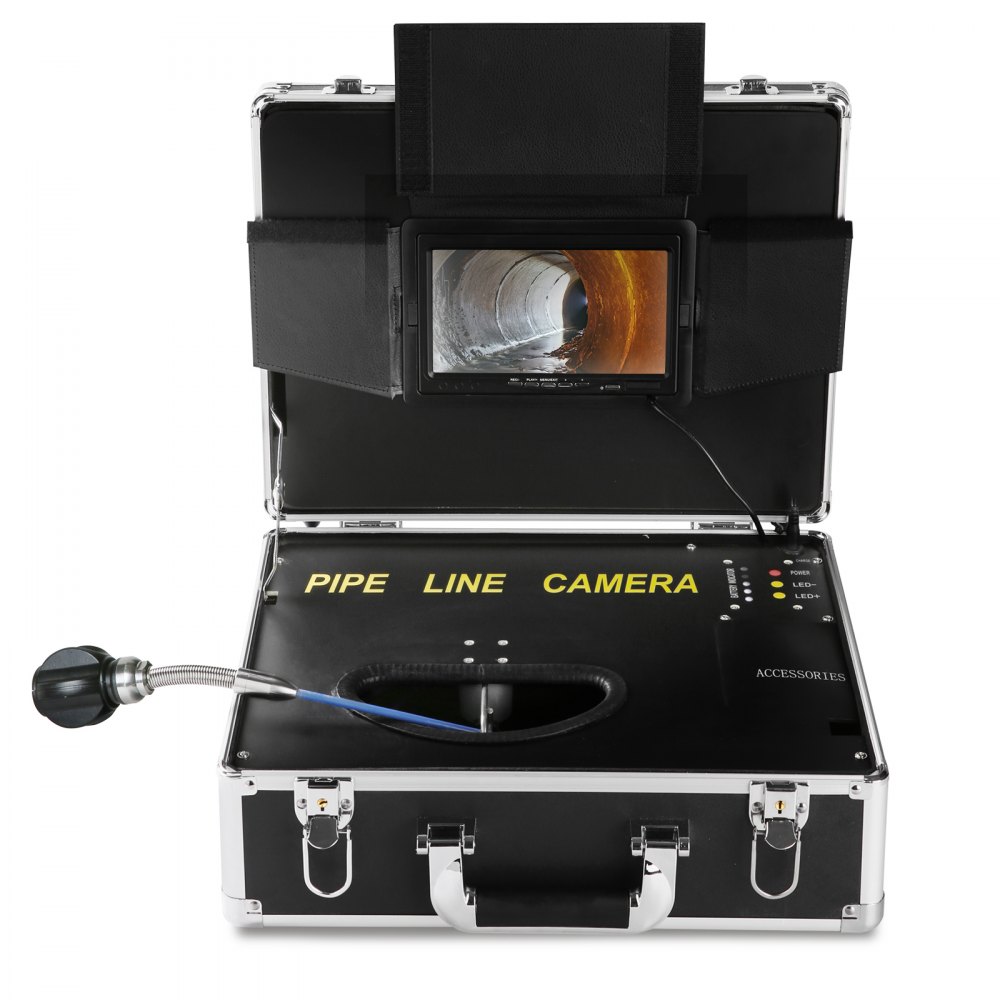
- Run a camera through the drain: a 360° inspection camera travels along the pipe and shows the exact location of the blockage.
- Put back into service and check drainage at every water point.
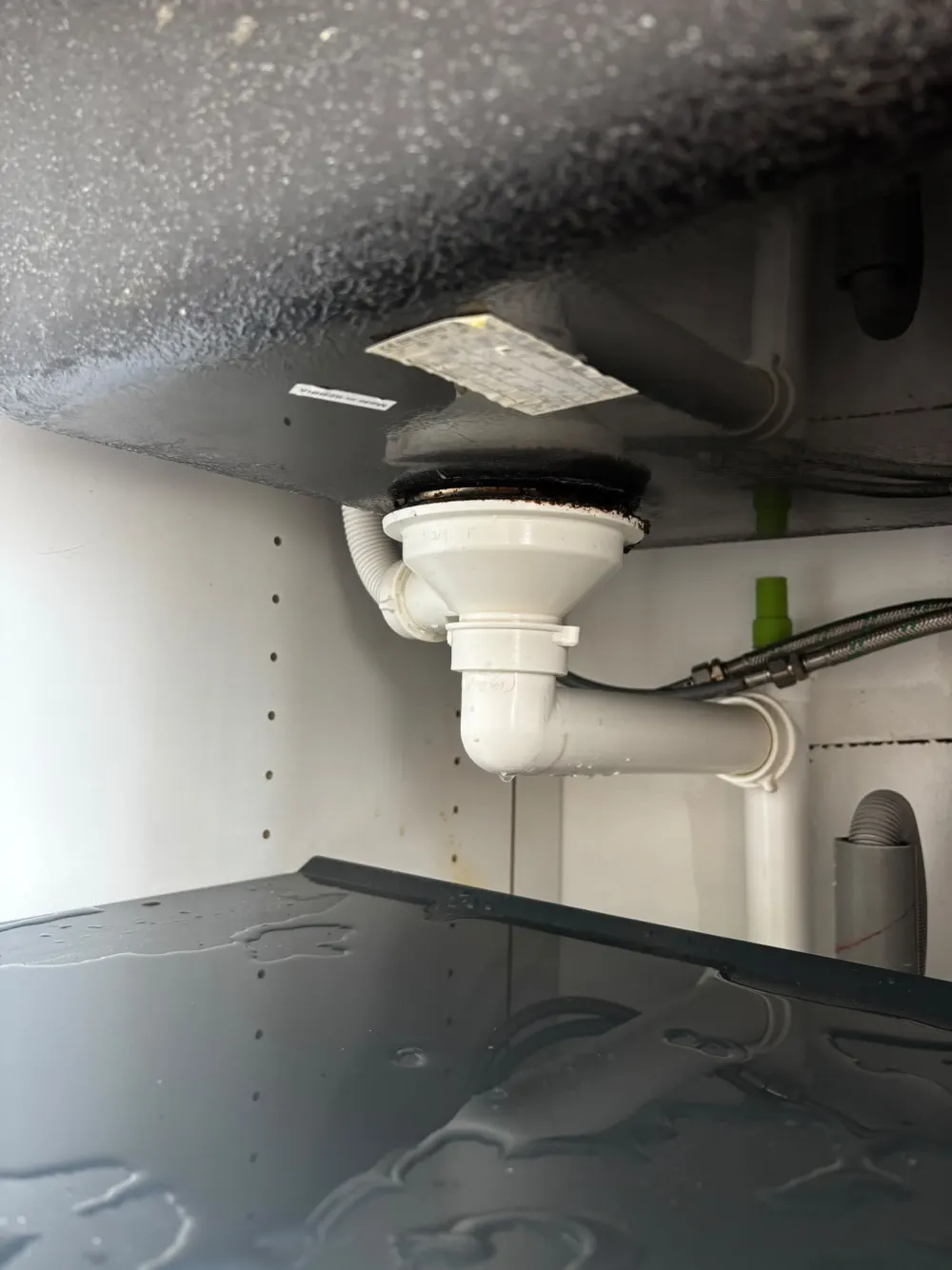
Camera inspection: seeing the blockage instead of guessing
When the trap is clear and the water still stands, we run a camera through the drain. Its 360° head lets us view the whole wall of the pipe, and position detection shows the exact location of the blockage in the system. We can see how far away it is and what it is made of (deposits, a stuck object, a damaged pipe), without opening up or breaking anything at random.
5. What unblocking solutions are there?
Once the blockage has been located with the camera, we remove it. The method depends on its nature and position:
- Mechanical unblocking with a drain snake, manual or electric.
- High-pressure unblocking (hydrojetting) for larger deposits.
- Cleaning and descaling of the pipes.
- Repair if needed: trap, connector or section of pipe to be redone.
Once drainage is restored, the professional explains whether it was a one-off blockage or a point to keep an eye on, and gives maintenance advice to prevent blockages returning.
6. Stopping the blockage coming back
- Do not pour cooking fat down the sink: let it cool and put it in the bin.
- Fit a filter or grate over shower, bath and washbasin plugholes to catch hair.
- Do not throw wipes, cotton wool or objects into the toilet or the sink waste disposal.
- Regularly clean accessible plugholes and traps.
- Have the system checked if the problem returns despite these precautions.
If the sink is involved and water is escaping under the cabinet, also see our guide on the leaking sink.
Frequently asked questions about drain unblocking
My sink drains slowly: should I call a plumber straight away?
Not necessarily. You can first clean the plughole and the trap. If the water still stagnates or backs up, or if the problem keeps coming back, the blockage needs to be looked for further along the drain pipe.
Why does water back up in the shower when I start the washing machine?
The machine sends a strong flow into a shared drain pipe. If it is partially blocked further along, the water backs up through the lowest point connected to the system, often the shower or the bath.
Is the blockage necessarily in the fixture that backs up?
No. It can be in a shared drain pipe or a main pipe, far from where the water comes up.
Are shop-bought drain cleaners a good solution?
They may give temporary relief for a light blockage, but they do not treat the cause and can damage some pipes or seals. If the problem persists, a diagnosis is preferable.
How can I stop blockages coming back?
Catch hair with a grate, do not pour fat down the sink, avoid wipes and objects in the toilet and regularly clean accessible traps.
How do you find where the blockage is?
We run a 360° inspection camera through the drain. It shows the condition of the pipe, and position detection gives the exact location of the blockage, which we then remove.
How long does unblocking take?
It depends on the position and nature of the blockage: a trap is dealt with quickly, whereas a deeper blockage takes longer. The plumber can give you an estimate after looking at the situation.
Need a drain unblocked in Brest?
Call Alo Plombier on 07 45 72 14 25 and describe what is backing up and since when: we look for the origin of the blockage so that the unblocking is suited to it.
Our service pages are in French. Call or send a WhatsApp message with photos of the problem.