 ALO PLOMBIER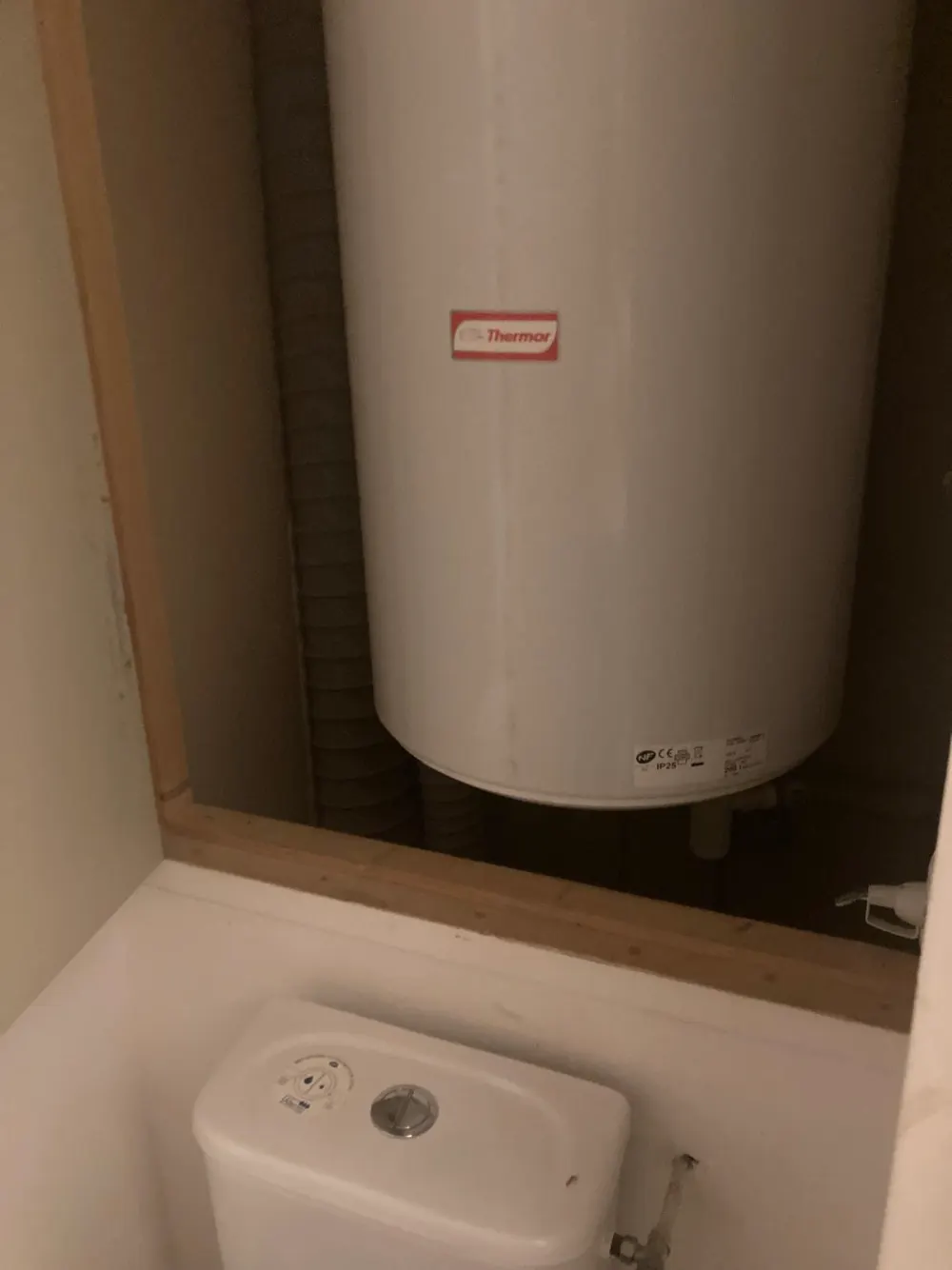
Have you lost your hot water at home in Brest or the surrounding area? Is your hot water cylinder no longer heating, is your heat pump water heater showing an error code, or have you noticed a leak at the safety valve (groupe de sécurité)? Several causes can explain these problems.
Alo Plombier Brest explains how to recognise the main water heater faults, understand where they come from and know when to call a plumber to get your comfort back quickly.
1. Why has my hot water cylinder stopped heating?
An electric hot water cylinder works with a heating element that heats the water stored in the tank. Over time, some components can wear out or become scaled up, reducing hot water production or causing a complete breakdown.
Here are the most common causes.
An electrical fault
If your water heater no longer heats at all, check that its circuit breaker is switched on. On some installations, a problem with the off-peak contactor (heures creuses) can also stop the water heater from running at the scheduled time.
A scaled-up or faulty heating element
Limescale in the water can gradually build up around the heating element. This build-up reduces heating performance and can eventually cause a breakdown.
Possible signs are:
- Water that stays lukewarm.
- Less hot water than before.
- An unusually long heating time.
- Unusual noises while heating.
A faulty thermostat
The thermostat regulates the water temperature. If it no longer works properly, the water heater may stop heating or produce water that is not hot enough.
2. Heat pump water heaters: what are the main faults?
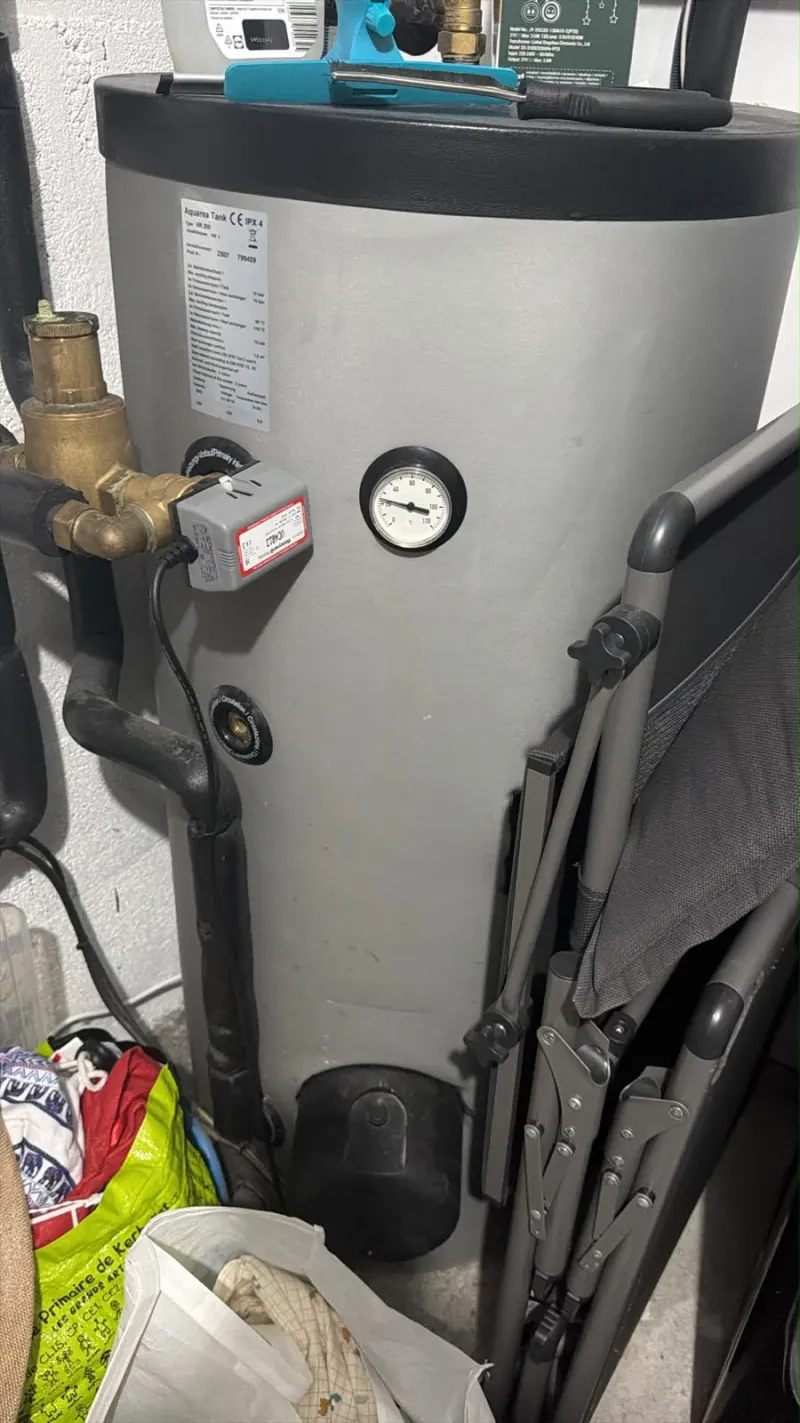
A heat pump water heater (chauffe-eau thermodynamique) uses a heat pump to recover heat from the air and warm the water. Under suitable conditions it can use less electricity than a conventional electric water heater, but it is more complex to run.
The heat pump water heater is not heating at all
Several faults can be behind the problem:
- An interrupted power supply.
- Incorrect operating mode or programming settings.
- A faulty temperature sensor.
- A failed backup electric heating element.
- A fault in the heat pump or its compressor.
- A clogged air filter or an airflow problem, depending on the model.
What should you do? Start by checking the unit's display and note any error code. Then consult the manual for the checks the manufacturer allows.
Switching the power off and back on can sometimes clear a temporary lock-up, but it will not repair a faulty component. If the error comes back, a professional diagnosis is recommended.
The heat pump water heater only produces lukewarm water
Water that is not hot enough may point to an unsuitable setting, a failing sensor, a heat pump problem or a backup element that no longer works.
A unit that constantly relies on its electric backup may also use more electricity than expected.
The heat pump water heater makes an unusual noise
A slight operating noise can be normal. However, heavy vibrations, unusual banging or a persistent noise can reveal a mounting or ventilation problem, or a mechanical fault.
Do not ignore these signs, especially if they appear at the same time as a drop in hot water production.
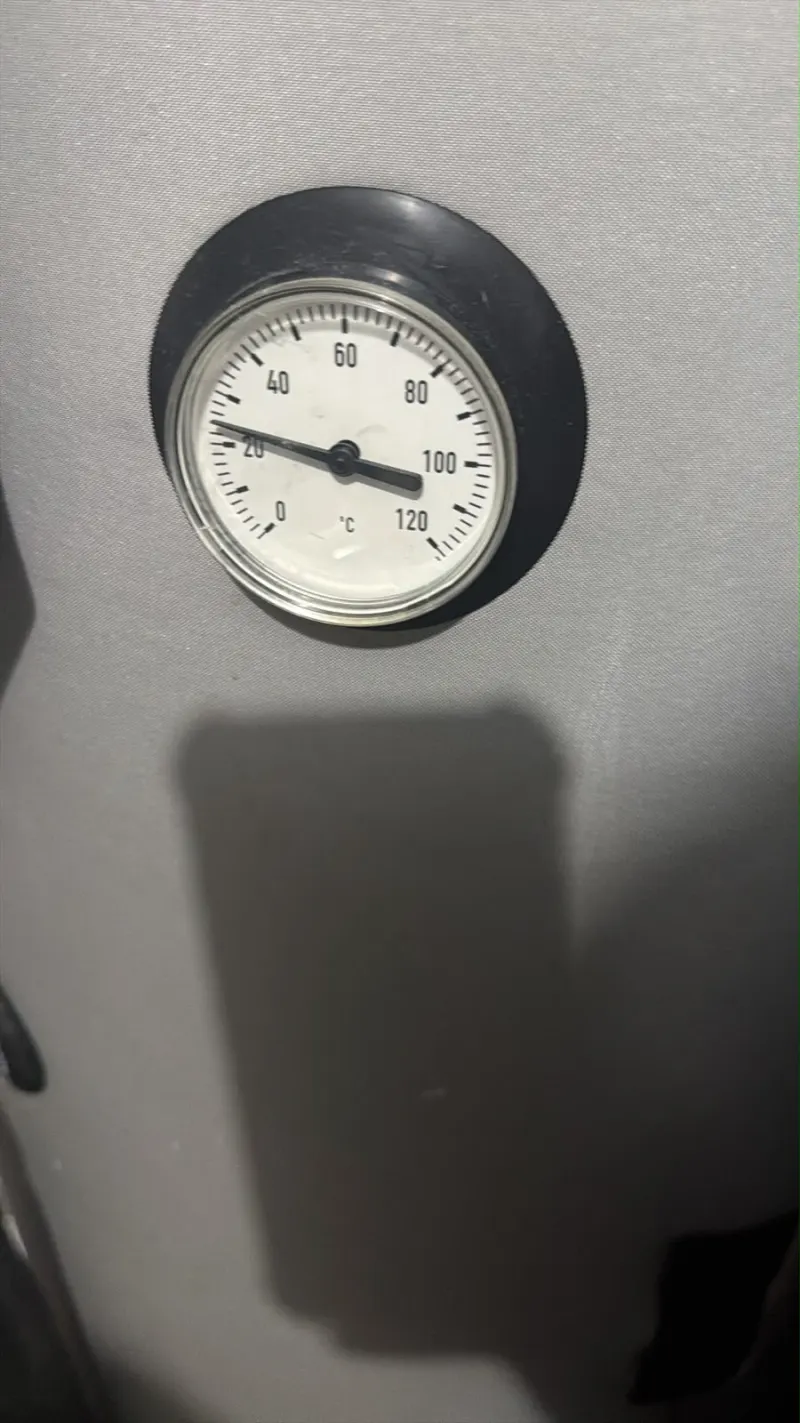
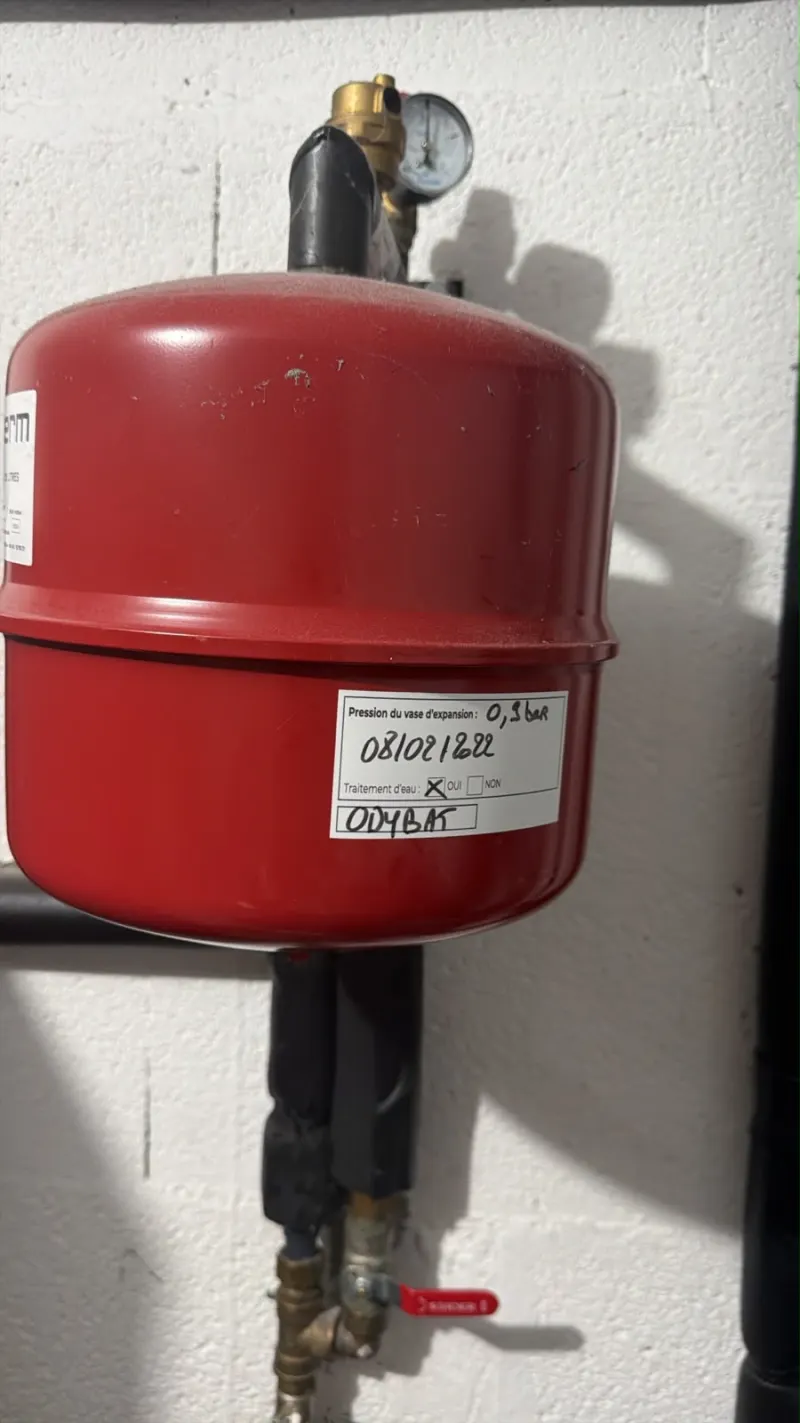
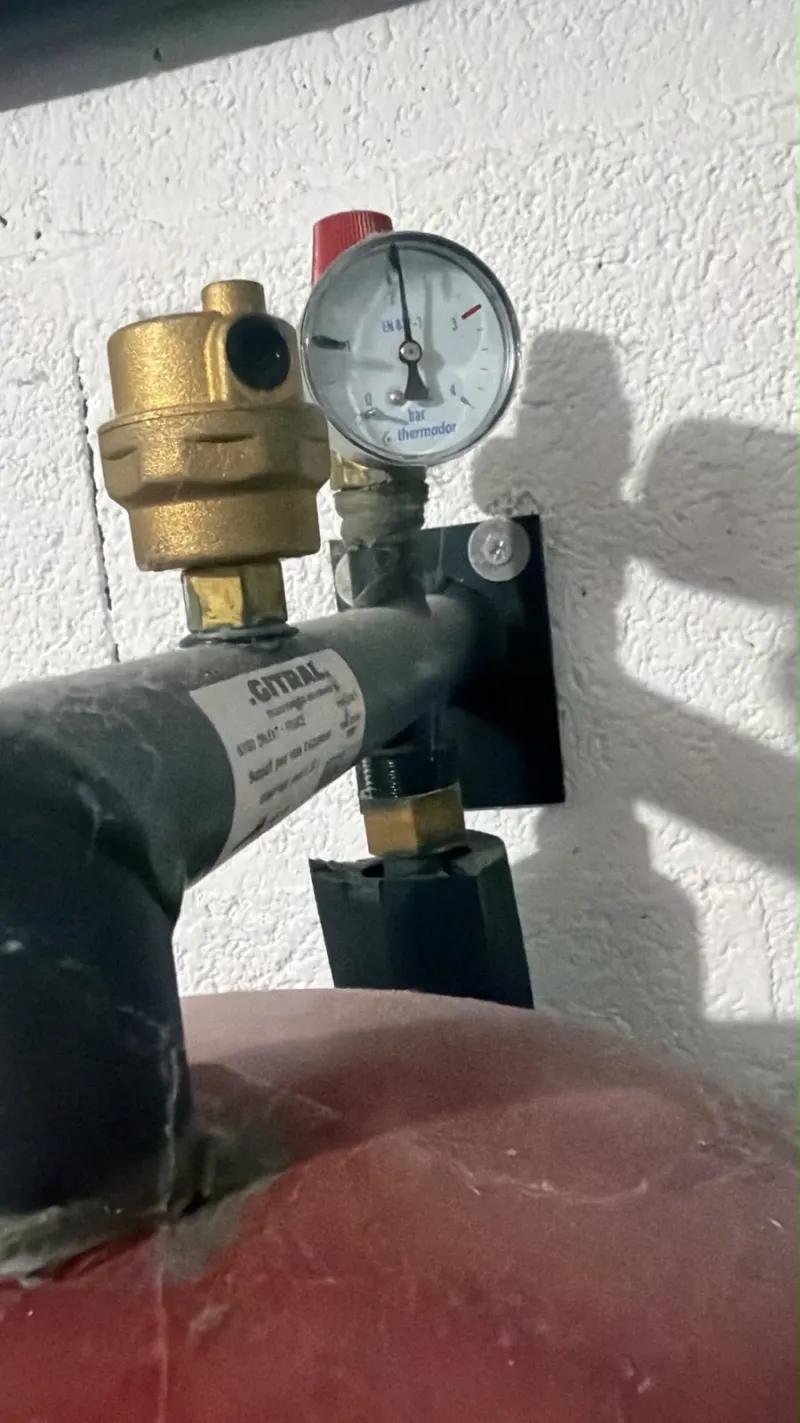
3. Water heater safety valve: what can go wrong?
The safety valve (groupe de sécurité) is an essential part of a hot water cylinder. Fitted on the cold water inlet, it protects the tank against excess pressure and lets water escape as it expands during heating.
The safety valve is dripping: is that normal?
Yes, a limited flow during the heating period is generally normal. Water expands as it heats and the safety valve discharges some of it.
However, a permanent flow or a continuous trickle of water, even when the cylinder is not heating, is not normal. It can indicate a worn or scaled-up valve seat, debris stuck in the mechanism or a mains water pressure that is too high.
The safety valve never drips
If no drop appears during heating periods, the mechanism may be blocked by limescale. This should be checked: the safety valve must always be able to release excess pressure from the tank.
Most manufacturers recommend operating the safety valve regularly, often once a month. Refer to your appliance's manual.
The trap or drain is overflowing
Water discharged by the safety valve must reach the waste water drain through a trap. A blocked, scaled-up or badly connected trap can cause overflows and water marks around the cylinder.
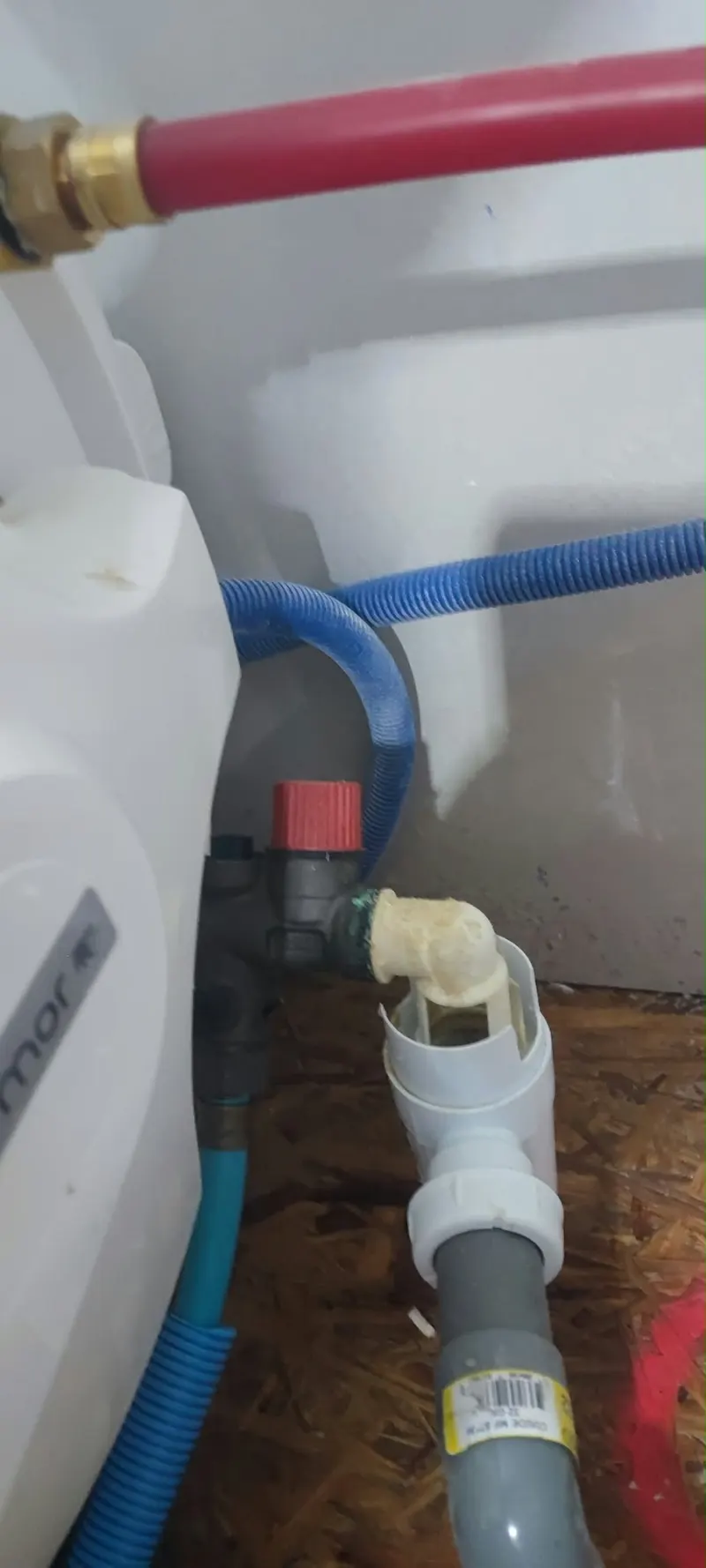
4. Water heater leak: can it be repaired?
A leak at a fitting, a seal or the heating element flange can usually be repaired. However, if water is coming directly from the tank, it often means corrosion has perforated it. In that case, replacing the cylinder is generally the only lasting solution.
The protective anode, made of magnesium or titanium depending on the model, protects the tank against corrosion. On cylinders fitted with a magnesium anode, checking it during servicing helps extend the life of the appliance.
If water has seeped into walls or floors, also read our guide on what to do about a water leak in Brest.
5. Repair or replace your hot water cylinder?
The choice depends on the age of the appliance, the nature of the fault and the overall condition of the tank.
- A faulty heating element, thermostat, seal or safety valve can generally be replaced without changing the whole cylinder.
- A perforated or heavily corroded tank most often means replacement.
- On an old cylinder with repeated faults, replacement may be better value than a series of repairs.
Replacement is also a chance to check that the cylinder's capacity suits the number of people in the household and, depending on your home, to consider a heat pump water heater. Find out about our water heater replacement and sanitary services in Brest.
6. How do you maintain a water heater?
- Operate the safety valve as the manufacturer recommends.
- Have the anode checked and descale the tank and heating element at regular intervals, depending on water hardness and use.
- Clean the air filter of a heat pump water heater, where the manual calls for it.
- Watch for damp patches, rust or dripping around the appliance.
Regular maintenance limits scale build-up, preserves performance and extends the life of the appliance.
7. Why call Alo Plombier in Brest?
Alo Plombier works in Brest and the neighbouring towns for:
- Fault diagnosis on electric hot water cylinders.
- Replacement of heating elements, thermostats, anodes and safety valves.
- Finding and repairing leaks around the water heater.
- Replacement and installation of hot water cylinders.
- Checking the plumbing components of a heat pump water heater.
The aim is to identify the cause of the fault, explain the possible solutions and get your hot water back as soon as possible. For an emergency, also see our emergency plumber in Brest page.
Frequently asked questions about water heaters in Brest
Why has my hot water cylinder stopped heating?
The most common causes are a tripped circuit breaker, an off-peak contactor (heures creuses) problem, a scaled-up or faulty heating element, or a failed thermostat. A diagnosis will identify the part at fault.
Is it normal for the safety valve to drip?
A few drops during heating are normal: water expands as it heats. A continuous flow, even when the cylinder is not heating, should however be checked.
How long does a hot water cylinder last?
Lifespan depends on the type of appliance, water quality, maintenance and use. A well-maintained electric cylinder often lasts around ten years, sometimes longer.
My heat pump water heater shows an error code. What should I do?
Note the code shown and consult the manufacturer's manual. If the error comes back after a restart, have a professional carry out a diagnosis.
Who should I call for a broken water heater in Brest?
You can contact Alo Plombier on 07 45 72 14 25 to describe the fault and find out what can be arranged in Brest and the neighbouring towns.
No hot water in Brest?
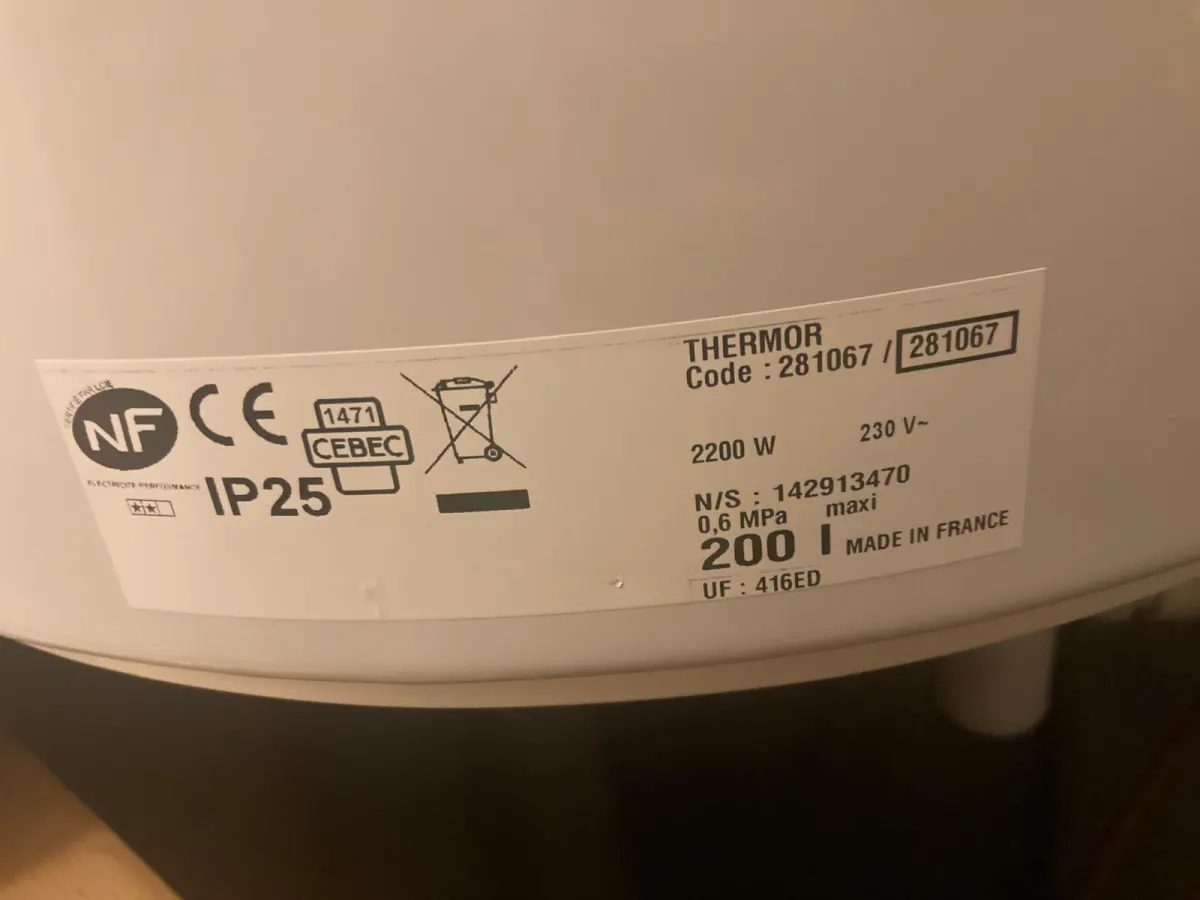
Contact Alo Plombier on 07 45 72 14 25 to describe the fault. You can also send a photo of your cylinder and its rating plate by WhatsApp to help with the diagnosis.
Our service pages are in French. Call or send a WhatsApp message with photos of the problem.